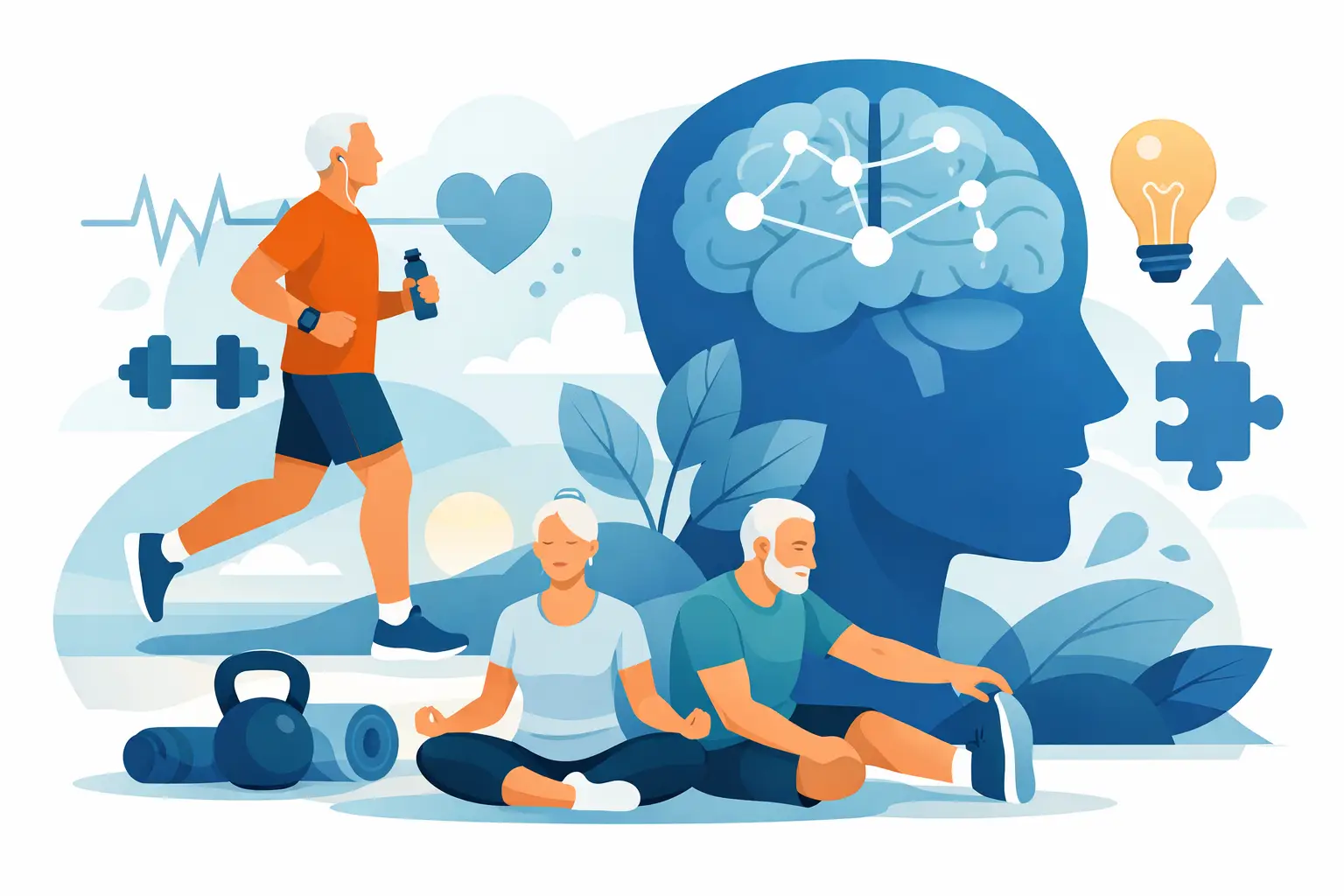
A forgetful moment can feel personal. It can also be a signal to look at the whole body. The right exercise to prevent cognitive decline is not a brain game or a single miracle workout. It is regular movement that improves the systems your brain depends on: blood vessels, blood sugar control, sleep, mood, strength, and social connection.
Dementia. Heart attack. Cancer. These are often discussed as separate threats. They are not fully separate. Inactivity, high blood pressure, insulin resistance, excess body fat, chronic inflammation, poor sleep, and smoking can raise risk across more than one of these serious conditions. Movement will not erase every risk, including age and family history. But it is one of the clearest actions available to change the conditions in which disease develops.
Why movement protects more than memory
Your brain is an energy-intensive organ. It needs a steady supply of oxygen and nutrients through healthy blood vessels. Aerobic activity challenges the heart and circulation in a useful way, helping the body manage blood pressure, improve insulin sensitivity, and support vascular function. Those benefits matter because vascular damage can contribute to cognitive impairment and can coexist with Alzheimer’s disease.
Exercise also affects the risks that can quietly undermine brain health for years. It can help with sleep quality, depression symptoms, stress regulation, balance, and maintaining a healthy weight. It preserves muscle, which is especially important as adults age. Losing strength and mobility often leads to less activity, more isolation, falls, and a faster loss of independence.
The connection reaches beyond dementia. Regular physical activity is associated with lower cardiovascular risk and lower risk for several cancers, including colon, breast, and endometrial cancers. That does not mean a daily walk guarantees protection. Cancer and dementia have many causes. It means the same habit can push several major health risks in a better direction at once.
The best exercise to prevent cognitive decline is the one you repeat
There is no evidence that one perfect activity works for everyone. The strongest plan combines aerobic activity, strength training, and movement that challenges balance and coordination. Each addresses a different part of healthy aging.
Start with aerobic movement
Brisk walking is a powerful place to begin because it is accessible, inexpensive, and easy to scale. The goal is a pace that raises your breathing but still allows you to speak in short sentences. Cycling, swimming, dancing, water aerobics, hiking, and using a cardio machine can provide the same kind of stimulus.
For most adults, a practical target is at least 150 minutes a week of moderate-intensity aerobic activity. That can be 30 minutes on five days, but it does not have to be. Three 10-minute walks count. So does walking during a child’s practice, taking a lap around the office building, or using part of a lunch break to move.
If you already exercise regularly and your clinician has not advised limits, vigorous activity can be another option. A shorter amount of harder effort may provide similar cardiovascular benefits. But harder is not automatically better. A program that causes pain, fear, or burnout is less useful than a moderate routine you can sustain for years.
Add strength training twice a week
Muscle is not only about appearance. It supports glucose control, bone health, posture, mobility, and the ability to keep doing everyday activities without assistance. Strength training also gives many people a tangible measure of progress, which can help exercise become a lasting habit.
Aim for two nonconsecutive days each week. Focus on major movement patterns: sitting and standing from a chair, pushing, pulling, carrying, stepping up, and hinging at the hips. Body-weight exercises, resistance bands, free weights, weight machines, or supervised classes can all work.
Start lighter than you think you need to. Good form, controlled breathing, and gradual progression matter more than proving strength on day one. If arthritis, neuropathy, osteoporosis, or an old injury affects your movement, a physical therapist or qualified exercise professional can help adapt the plan.
Train balance, coordination, and confidence
Falls can change an older adult’s life in a moment. Balance work is therefore brain health work, independence work, and injury prevention work. Practice standing on one foot near a counter, heel-to-toe walking, controlled step-ups, or tai chi. Dance can be especially useful because it combines aerobic work, coordination, rhythm, and attention.
Activities that require learning can add another dimension. A new dance sequence, a pickleball drill, a hiking route, or a group fitness class asks the brain to respond, plan, and adapt. The value is not that these activities make someone immune to dementia. The value is that they make movement more mentally and socially engaging, which makes people more likely to continue.
Build a weekly plan that fits real life
The biggest mistake is treating exercise as an all-or-nothing project. A person who has been inactive for years does not need to become a runner next Monday. They need a starting line that feels possible.
Try this simple first month: walk for 10 to 15 minutes on five days each week. On two of those days, add 15 to 20 minutes of basic strength work. Add a few minutes of balance practice while waiting for coffee, brushing teeth, or watching television. Every week or two, increase walking time, pace, or distance slightly.
Use a schedule, not motivation, as the foundation. Put walks on the calendar. Keep shoes by the door. Choose an indoor backup for bad weather. Meet a friend. For caregivers, consider movement part of the care plan rather than an optional extra. A shared walk may support the caregiver’s health and reduce isolation for the person receiving care.
Sitting less matters, too. Long periods of sitting are common in modern life, even among people who complete a daily workout. Stand, stretch, or walk briefly at regular intervals. These short movement breaks will not replace aerobic exercise, but they make the day less sedentary and can help blood sugar and stiffness.
Medical conditions change the starting point, not the value of movement
People with heart disease, diabetes, high blood pressure, cancer treatment history, memory concerns, chronic pain, or limited mobility may need a more tailored plan. That is not a reason to give up. It is a reason to choose the right intensity and support.
Talk with a clinician before starting a new vigorous program if you have chest pain, unexplained shortness of breath, fainting, severe dizziness, or a major change in exercise tolerance. Stop and seek medical attention for warning symptoms such as chest pressure, sudden weakness, new confusion, or severe breathlessness.
For many people, the safest first step is still modest: slower walking, chair-based strength exercises, pool movement, or short bouts spread through the day. Progress is personal. Someone recovering from treatment or managing joint pain may measure success in minutes moved, fewer falls, better sleep, or being able to climb stairs with less effort.
Do not wait for a diagnosis
Cognitive decline can begin with changes that are easy to dismiss: difficulty managing familiar tasks, getting lost in familiar places, repeating questions, or a noticeable shift in judgment. Exercise supports prevention, but it should never be used to explain away concerning symptoms. New or worsening memory changes deserve a conversation with a health professional, especially when they affect daily life.
The same urgency applies to blood pressure, cholesterol, blood sugar, sleep apnea, depression, tobacco use, and hearing loss. These are not side issues. They can shape brain health, heart health, and overall resilience. Movement works best as part of a broader prevention strategy that includes medical care, nourishing food, adequate sleep, and social connection.
A walk cannot change your family history. It can change what you do with it. Start with the movement you can do safely this week, repeat it next week, and let that small decision serve your brain, your heart, and the years you still want to live fully.