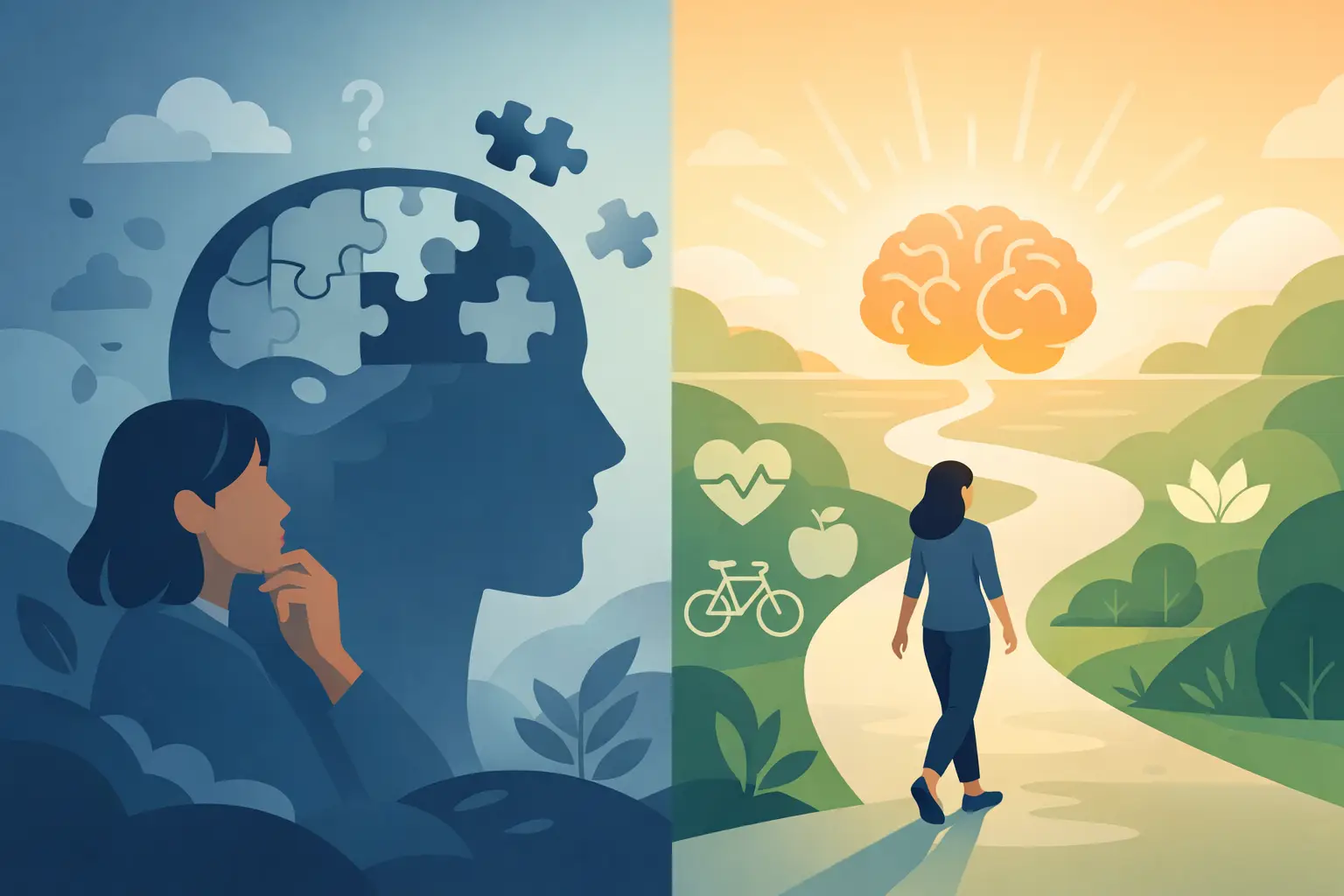
A memory problem rarely begins the day someone forgets a name, loses a familiar route, or repeats a question. For many people, the groundwork was laid years earlier through high blood pressure, diabetes, inactivity, smoking, poor sleep, untreated hearing loss, and social isolation. Learning how to reduce dementia risk means acting on those drivers before they become a crisis.
Dementia. Heart attack. Cancer. These are not interchangeable diseases, and no single habit can prevent them. But they often grow in the same environment: chronic inflammation, damaged blood vessels, metabolic dysfunction, tobacco exposure, and missed opportunities for early care. That is why prevention cannot wait until memory changes become obvious.
How to Reduce Dementia Risk by Protecting the Whole Body
The brain depends on a constant supply of oxygen-rich blood. When blood vessels are narrowed, stiffened, or damaged, the brain pays a price. Small strokes, reduced blood flow, and changes in the brain’s white matter can accumulate quietly over time, affecting memory, thinking, mood, and independence.
This is the central prevention message: brain health is not separate from heart health. The same factors that raise the risk of heart attack and stroke can raise the risk of cognitive decline. High blood pressure is a major example. It often causes no symptoms, yet it can damage arteries throughout the body for years.
Know your numbers. Blood pressure, cholesterol, blood sugar, weight, and kidney function are not just items on a routine lab report. They are signals about the condition of your blood vessels and metabolism. If a clinician has prescribed medication for blood pressure, diabetes, or cholesterol, taking it consistently can be part of protecting your brain, not merely treating a number.
Lifestyle changes matter, but they are not a substitute for needed medical care. Some people can make major progress through food choices, activity, weight management, and sleep. Others need medication too. Prevention is not an all-or-nothing test of willpower. It is a long-term plan built around the risks you actually have.
Move More, Even Before You Call It Exercise
Physical activity supports blood flow, blood sugar control, sleep, mood, and blood pressure. Those benefits reach far beyond the waistline. Regular movement also helps preserve strength and balance, which can make it easier to stay socially engaged and independent as you age.
The best activity is usually the one you can repeat. A brisk walk, water aerobics, dancing, cycling, gardening, strength training, or active housework can all count. If you have been sedentary, start smaller than you think you need to. Ten minutes after a meal is more useful than waiting for the perfect workout plan that never begins.
Aim to include both aerobic activity and muscle-strengthening work during the week, adjusted for your fitness level and medical conditions. If you have chest pain, significant shortness of breath, dizziness, or a new health concern, speak with a health professional before pushing harder.
Make Food a Vascular Decision
There is no magic food that prevents dementia. Be cautious of any supplement, powder, or expensive protocol that claims otherwise. The stronger evidence supports overall eating patterns that protect the heart and blood vessels.
That generally means building meals around vegetables, fruit, beans, whole grains, nuts, fish or other lean proteins, and unsaturated fats. It also means reducing heavily processed foods, excess sodium, sugary drinks, and frequent portions of processed meat. These changes can help address high blood pressure, insulin resistance, and unhealthy cholesterol levels – shared risks that do not stop at the brain.
Food access, culture, budget, and medical needs matter. A person managing kidney disease may need different nutrition guidance than someone with diabetes. The goal is not perfection or a trendy label. The goal is a pattern you can sustain that supports healthier blood vessels and steadier blood sugar.
Do Not Ignore Sleep, Hearing, or Depression
Some risk factors are easy to dismiss because they do not sound like traditional brain-health issues. That is a mistake.
Untreated hearing loss can make conversation exhausting and may lead people to withdraw from activities and relationships. If you find yourself turning up the television, asking people to repeat themselves, or avoiding noisy restaurants, get your hearing checked. Hearing aids are not a cure for dementia, but addressing hearing loss can help people stay connected and engaged.
Sleep deserves the same seriousness. Poor sleep can worsen blood pressure, weight, mood, and blood sugar. Loud snoring, gasping during sleep, morning headaches, or severe daytime fatigue may be signs of sleep apnea, a condition worth discussing with a clinician. Sleep apnea is treatable, and treatment can improve how people feel and function.
Depression, anxiety, grief, and chronic stress also deserve care, not judgment. They can make it harder to exercise, eat well, sleep, keep appointments, and maintain relationships. Mental health support is part of prevention because health habits are easier to sustain when a person is not carrying everything alone.
Stay Connected and Keep Learning
The brain benefits from challenge, purpose, and human connection. Reading, learning a skill, volunteering, playing music, attending a class, doing puzzles, joining a faith community, or regularly calling friends can all help keep life mentally and socially active.
The activity itself matters less than consistency and meaning. A crossword puzzle is fine if you enjoy it. But a weekly lunch with a friend, a book club, or helping a grandchild with homework may offer something puzzles cannot: conversation, emotional support, and a reason to show up.
Social connection is not a luxury for older adults. Isolation can affect mood, sleep, activity, and the ability to manage health conditions. If you are worried about a parent, partner, or neighbor, do not limit the conversation to memory. Ask whether they are eating, sleeping, hearing well, getting out of the house, and seeing people they trust.
Stop Smoking and Rethink Alcohol
Smoking injures blood vessels, raises stroke risk, and increases the risk of many cancers. Quitting is one of the clearest actions a person can take for long-term health at any age. It is difficult because nicotine dependence is powerful, not because the person lacks discipline. Counseling, medication, and structured quit support can improve the odds of success.
Alcohol is more complicated than old health headlines made it seem. Heavy drinking can harm the brain, liver, heart, sleep, and relationships. For people who do not drink, there is no health reason to start. For people who do drink, less is generally safer, especially when medications, falls, liver disease, sleep problems, or memory concerns are part of the picture.
Know When Prevention Needs a Medical Appointment
Prevention also means recognizing change early. Schedule an evaluation for new or worsening memory problems, confusion, difficulty managing money or medications, personality changes, getting lost in familiar places, or trouble completing routine tasks. These symptoms can have many causes, including medication effects, thyroid problems, vitamin deficiencies, depression, sleep disorders, infections, or stroke.
Do not assume memory change is simply normal aging. And do not assume it automatically means dementia. A timely evaluation can identify treatable problems, establish a baseline, and give families time to plan if more support is needed.
Family history matters, but it is not destiny. Tell your clinician about relatives with dementia, early heart disease, stroke, diabetes, or certain cancers. That conversation can guide earlier screening and a more personal prevention plan.
The most useful next step is often the least dramatic one: check your blood pressure, take a walk, schedule the overdue appointment, fill the hearing-aid prescription, or call someone you have been meaning to call. Small actions repeated over years can change the conditions in which dementia risk grows. Protect the roots, and you protect more than memory.